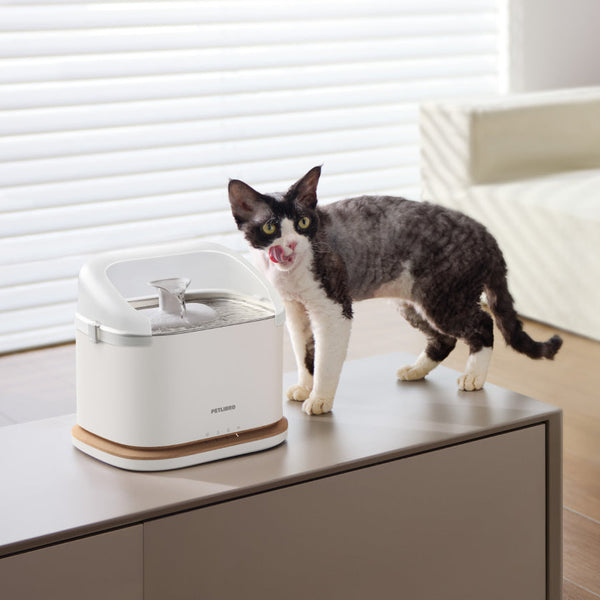
Winter changes a lot of daily habits—both for us and for our pets. When the weather turns cold, water bowls often stay fuller for longer, especially in cat households. Many pets simply drink less in winter, and it’s easy for owners to assume everything is fine.
The truth is, cold weather doesn’t mean pets need less water. In fact, winter care tips often overlook hydration, even though indoor heating, dry air, and reduced activity can quietly affect a pet’s health. Supporting better drinking habits during winter is one of the simplest ways to protect long-term wellbeing—without changing routines too much.
Who This Is For
This guide is especially helpful if:
-
Your cat’s water intake drops noticeably in cold weather
-
Your home relies on indoor heating during winter
-
You want practical, low-effort winter care tips for everyday pet health
How Cold Weather Affects Pet Drinking Habits
Cold weather naturally reduces thirst. Pets don’t feel the same urge to drink as they do in summer, and cats—already low-drinkers by nature—are even less motivated.
Indoor heating adds another layer. While it keeps homes warm, it also dries the air, which can lead to mild, ongoing dehydration that’s easy to miss. Over time, reduced water intake means more concentrated urine, increasing pressure on the urinary system—especially for cats.
What helps most isn’t forcing pets to drink more, but making water more appealing and easier to access:
-
Fresh-tasting water instead of still, stale bowls
-
Gentle water movement that attracts natural curiosity
-
Consistency throughout the day, not just occasional refills
This is why many pet owners turn to a cat drinking fountain or pets-at-home cat fountain setup during winter months.
How to Encourage Pets to Drink More Water in Winter
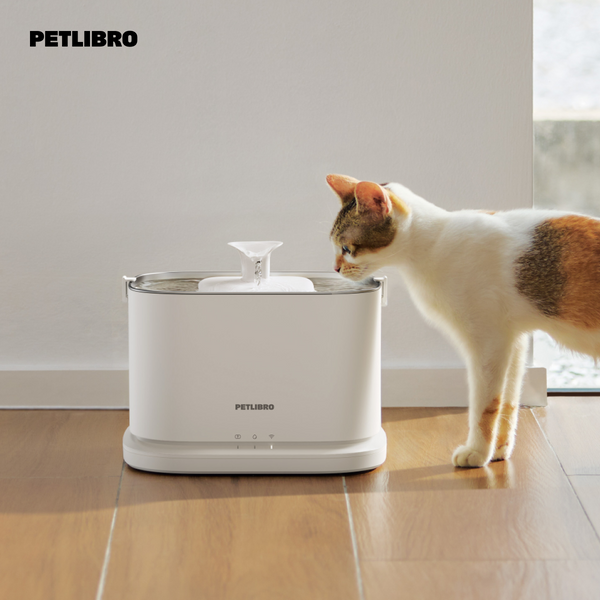
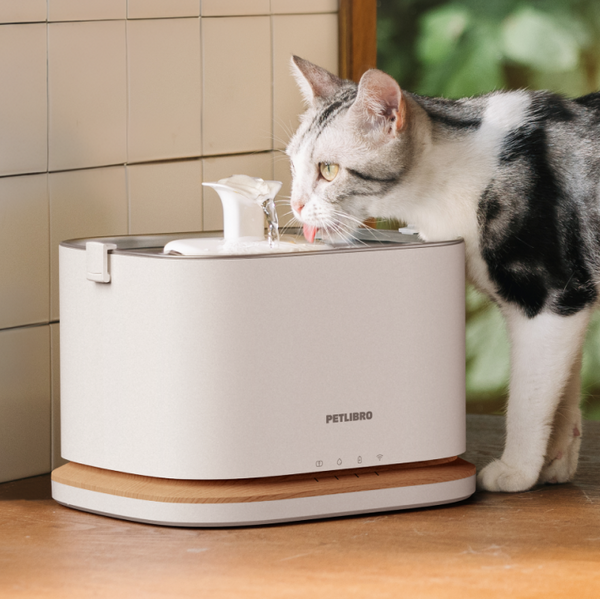
Flowing water plays a key role. Cats instinctively prefer moving water because it signals freshness. A cat water fountain with automatic circulation can quietly increase daily water intake without changing feeding habits.

Freshness also matters more in winter than many expect. Cold, stagnant water is easy to ignore, while continuous circulation helps:
-
Keep water cleaner and more inviting
-
Maintain a more stable temperature indoors
-
Reduce odor and particle buildup with proper filtration
For busy households, automated systems reduce the need for constant water changes. Features like a reliable cat water fountain filter and durable materials—such as stainless steel or ceramic—help keep water appealing for longer.
This approach is why winter-friendly designs like the Petlibro Dockstream are often considered among the best cat water fountain options for cold weather care.
Winter care isn’t only about warmth—it’s also about water. As cold weather quietly changes how pets drink, small adjustments can have long-term benefits. Encouraging hydration with fresh, flowing water helps support everyday health while fitting naturally into indoor winter routines.
If you’re exploring smarter winter care tips, learning more about pet hydration—and how to keep water fresh at home—is a simple place to start.
FAQ
- How to keep your pet hydrated?
Offer fresh, flowing water daily using a cat water fountain, which encourages cats to drink more even in cold weather.
- How to tell if my pet is dehydrated?
Look for signs like dry gums, sunken eyes, or reduced urination; using a cat drinking fountain can help maintain regular water intake.
- Do animals drink more water in the winter?
Many pets, especially cats, actually drink less in winter. Indoor heating and cold weather can reduce thirst.
- Do cats need more water in the winter?
Yes, maintaining hydration is crucial in winter to support urinary health, digestion, and energy levels. A stainless steel or ceramic cat water fountain can help.