Winter's dry, heated air and cold temperatures quietly affect your cat's wellbeing in ways you might not notice. Indoor heating reduces humidity, increasing dehydration risks. Your cat needs more calories to stay warm, yet may be less active, making digestion more sensitive. This seasonal shift calls for a dietary adjustment.
Wet food emerges as the ideal winter solution—it provides essential hydration, dense nutrition, and is gentle on the stomach. But practical challenges arise: how to keep it fresh, serve it on time, and portion it correctly in your busy day? This guide breaks down why wet food matters in winter and how to manage it smartly with modern solutions like an automatic cat feeder wet food system.
The Winter Case for Wet Food
-
Combatting Hidden Dehydration
The cozy heat indoors comes at a cost: dry air that draws moisture from your cat's body. Cats are naturally poor drinkers, and in winter, the risk of subtle dehydration rises. This isn't just about thirst—it can strain kidneys and increase urinary issues. Wet food, with its high moisture content, addresses this directly. Each meal helps maintain fluid balance, supporting overall health from within.
-
Meeting Higher Energy Needs
As temperatures drop, your cat's body works harder to maintain warmth, burning more calories even during rest. Wet food naturally provides this extra energy boost through its rich concentration of animal proteins and healthy fats. Unlike dry food, wet food's dense nutritional profile and appealing texture satisfy your cat's natural cravings more completely, leaving them nourished and content throughout the colder days and nights.
-
Supporting Sensitive Digestion
Winter's reduced activity can create digestive sensitivity in cats. Wet food offers a gentle solution—its soft texture and high moisture content make it easier to process than dry kibble. This becomes especially important when serving fresh, properly portioned meals. By using a wet food cat feeder, you can ensure each serving remains fresh while avoiding large amounts that sit out too long, helping prevent the stomach upset that sometimes accompanies seasonal changes in activity and metabolism.
Smart Solutions for Winter Feeding Challenges
-
Keeping Food Fresh
Traditional methods often fall short. Refrigerated wet food becomes unappealingly cold, and leaving it out invites bacteria. The modern solution combines sealed storage and temperature control—keeping food at an ideal, fresh state until mealtime. This is exactly what a quality cat auto wet food feeder is designed to do.
-
Maintaining Routine
Winter's short days can disrupt both your schedule and your cat's internal clock. Inconsistent feeding times may lead to anxiety or overeating. An automatic cat feeder wet food system solves this by delivering meals precisely on schedule, providing security and consistency for your cat, regardless of changing daylight or your work hours.
-
Portion Control Made Simple
"How much is right?" varies by cat. While a general guideline exists, precision prevents weight gain and waste. A modern cat auto feeder for wet food allows exact portion control per meal, letting you tailor intake to your cat's specific winter needs without guesswork.

The All-in-One Winter Solution: Petlibro Polar Smart Wet Food Feeder
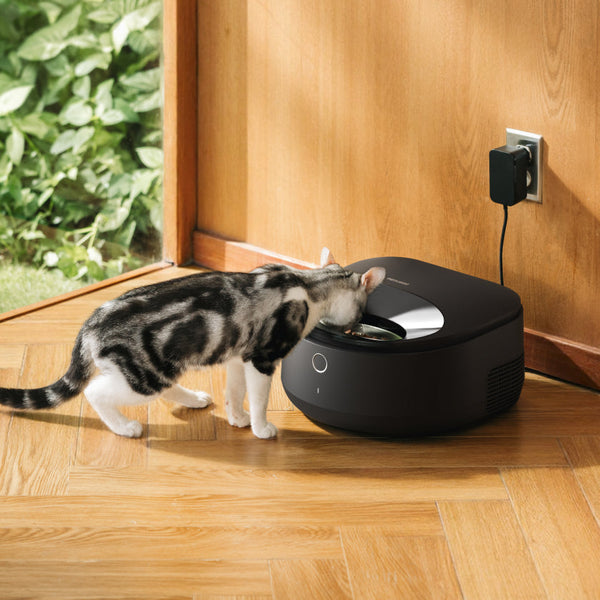
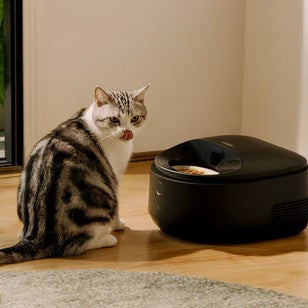
Enter the Petlibro polar wet food feeder—a tool designed specifically for winter's wet food challenges. It's not just another automatic cat feeder; it's a freshness system. With its sealed, temperature-regulated compartments, this Petlibro automatic cat feeder keeps food palatable for hours. The smart scheduling via app ensures timely meals, while portion customization accommodates individual dietary needs.
Ideal for:
-
Working professionals who want to provide fresh, timed meals remotely
-
Multi-cat households needing separate portion management
-
Senior or sensitive cats benefiting from gentle, regular feeding
This Petlibro polar wet food feeder reflects Petlibro's focus on intelligent pet care technology, making advanced care accessible and simple.
Experience effortless winter feeding: Petlibro Polar Wet Food Feeder


Essential Winter Wet Food Tips
-
Mix it up
Some cats enjoy variety—consider combining wet and dry foods while using scheduled wet meals to ensure hydration
-
Stay clean
Daily cleaning of food bowls prevents bacterial buildup during sensitive winter months
-
Monitor hydration
Check your cat's skin elasticity and energy levels regularly to catch any early signs of dehydration
Winter cat care simplifies to a smart equation: wet food for hydration and nutrition + precise timing + proper freshness management = a thriving cat. It's about working with the season's challenges, not against them.
Tools like the Petlibro polar smart wet food feeder turn this formula into daily reality, handling the logistics so you can focus on the joy of winter companionship. This reliable cat auto wet food feeder doesn't just maintain your cat's health—it enhances their comfort through the coldest months.
*This content should not be used to diagnose, or direct treatment for, any health issues. Always consult your vet about what's best for your pet.
*If you’ve noticed changes in your pet’s eating habits, talk to your vet.